
Machining of Mechanical Parts: From Blueprint to Finished, Inspected Part
Machining of mechanical parts is a manufacturing process that involves removing material. It transforms a block or bar of metal, stainless steel, aluminum, or engineering plastic into a finished part, in accordance with the drawing. Formachining in Lyon and the Rhône-Alpes region, EOS handles everything from prototypes to small production runs.
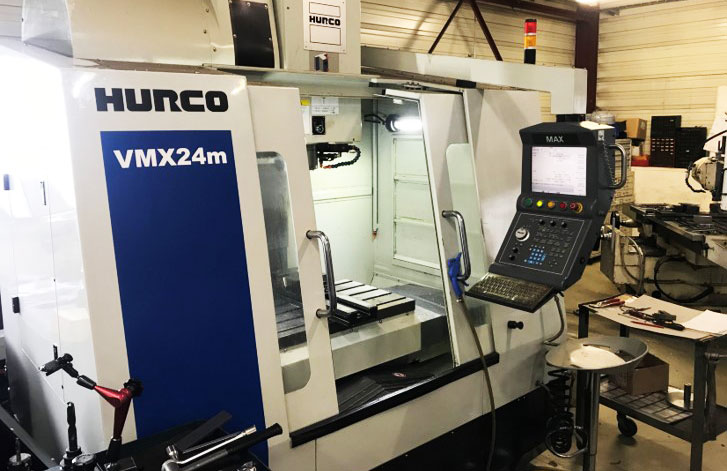
Which machining techniques should you choose based on the part?
There are several processes available, each suited to a specific shape and level of precision.
- Turning: The workpiece rotates toward the tool. This process produces parts formed by rotation, such as axles, shafts, or bushings.
- Milling: The tool rotates and moves along multiple axes. It creates complex shapes and geometries.
- Computer Numerical Control (CNC) machining: The machine follows a program. It automates operations and ensures repeatability from one part to the next.
- Inspection and measurement: These processes verify each dimension and confirm compliance with tight tolerances.
The choice depends on three criteria: the desired shape, the material, and the required precision. The manufacture of a single mechanical part often combines turning and milling. In the most demanding industries, strict control of tolerances is critical: it determines the safety of the final equipment.
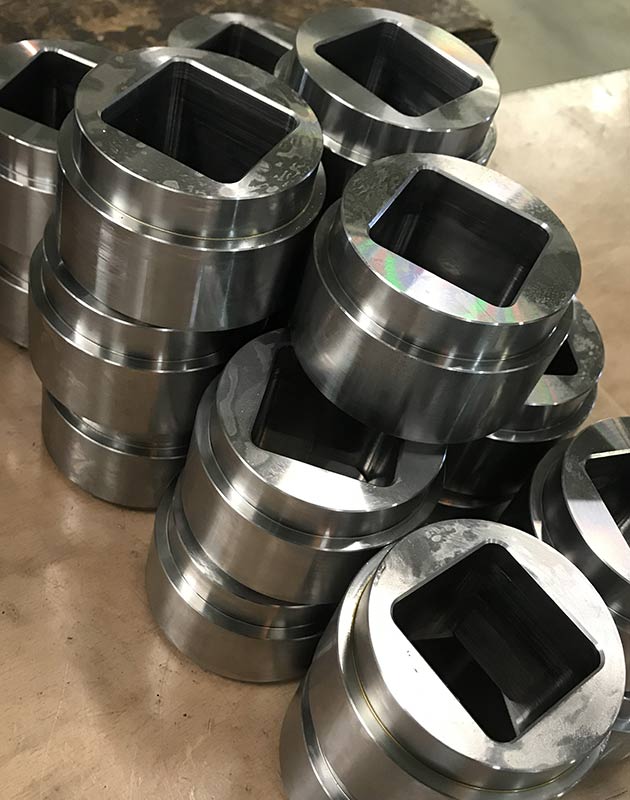
What materials are best for custom metal parts?
Steel remains the standard choice for applications subject to high mechanical stresses. Stainless steel is the go-to choice whenever corrosion resistance is required. Aluminum reduces the weight of moving assemblies while maintaining good rigidity. Titanium combines lightness and strength, two qualities highly sought after in the aerospace industry.
Copper alloys round out this range due to their conductivity and good friction properties. Lightweight, insulating engineering plastics are replacing metal in certain applications. Each material has its own cutting parameters.Precision machining therefore relies on a detailed understanding of their behavior. To increase hardness, heat treatment such as hardening is outsourced to a partner.

Why entrust the production of mechanical parts to a small-batch workshop?
Large-scale production facilities are designed for high-volume production. A single unit or just a few dozen units rarely fit into their workflow. EOS has made these small quantities its core business. Our engineering department handles the single-unit prototype, and then the workshop handles the production of short-run parts.
Proximity also works in your favor. Based in the Lyon area since 2010, EOS offers you a direct relationship with a technical contact. Any changes to dimensions can be discussed without an intermediary before production begins. The result: machining of mechanical components tailored to your actual needs, starting with the very first part.
How does EOS support you from the drawing to the inspected part?
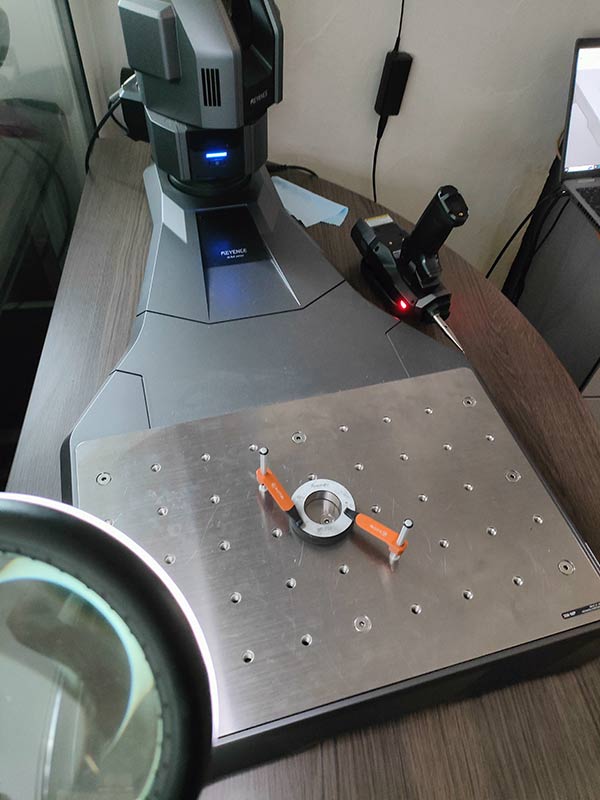
At EOS, we bring all this expertise together within EOS Usinage, the group’s subsidiary dedicated to this activity. From reviewing the blueprint to the final inspection, every step is carried out in-house. Three-dimensional inspection is central to our quality approach. A portable measuring machine also allows us to take measurements directly at your facility.
This expertise is rooted in the group’s history. EOS designs bending machines and manufactures bending tools and components with complex geometries. Some of our employees have more than 30 years of experience in this field. The workshop also produces components for special-purpose machines: this machining work, which supports the group’s projects, helps maintain the team’s versatility.
These guarantees meet the expectations of industries where there is no room for error: aerospace, defense, nuclear, automotive, medical, and plastics. For these manufacturers,machining technical parts with zero deviation from the blueprint is essential to the reliability of the entire production chain.
Precise execution safeguards your business. EOS puts its workshop near Lyon and its quality control processes to work to ensure compliant parts, even for small production runs. Send us your drawing: our technicians will review it and provide you with a customized quote.